
Residential Fence Installation Estimate Guide
Table of Contents
- Understanding Residential Fence Installation Estimate Basics
- How to Measure for a Fence and Prepare Your Site
- Fence Installation Cost Breakdown by Material Type
- Building Your Fence Estimate Checklist
- Getting an Accurate Fence Installation Estimate
- How to Compare and Evaluate Multiple Estimates
- Common Hidden Costs and What to Watch For
- Frequently Asked Questions
Last Updated: October 15, 2026
Understanding Residential Fence Installation Estimate Basics
A residential fence installation estimate is a detailed estimate from a contractor outlining your project's total cost, broken down by materials, labor, and other factors. Getting an accurate estimate is the first step toward understanding what your fence will cost and what's included.
The estimate is your roadmap: it details the materials, linear feet, labor charges, and whether permits or site prep are included. Without a clear estimate, you're signing up for surprises.
Homeowners who understand their estimate upfront rarely face unexpected charges later. Reputable contractors' estimate spell out every component so you know precisely what you're paying for.
A solid fence installation estimate should include material costs, labor, site preparation, and add-ons like gates or posts.
How to Measure for a Fence and Prepare Your Site
Measuring your property correctly is the foundation of an accurate fence installation estimate.
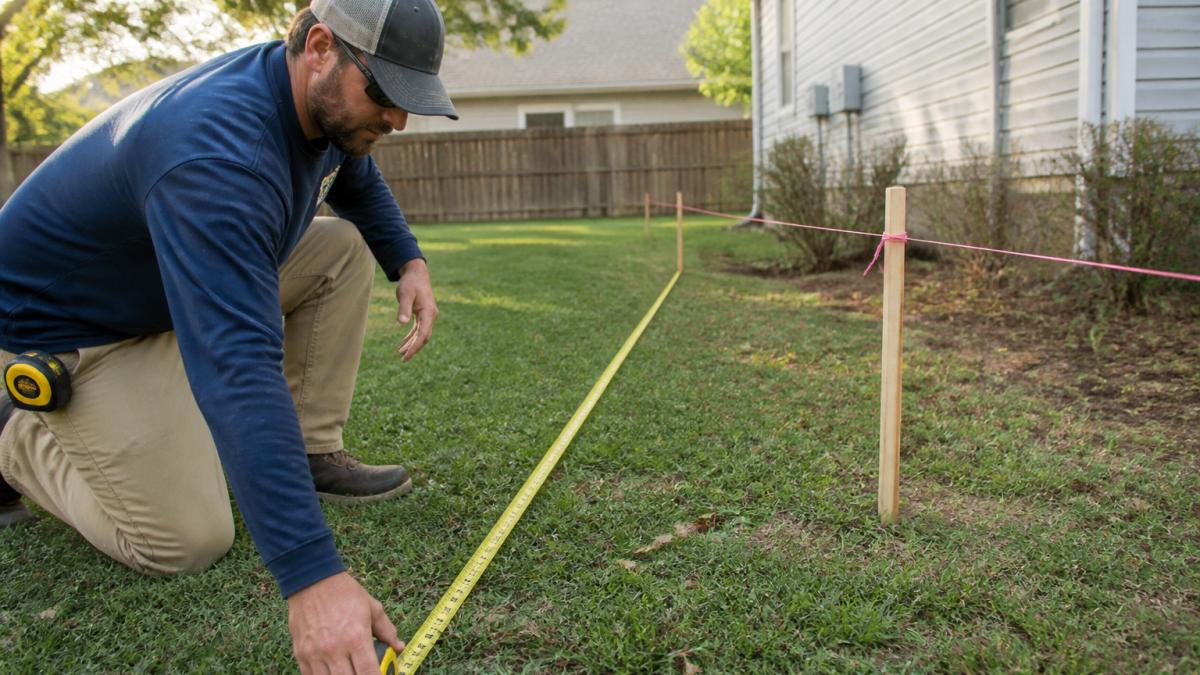
Document obstacles along the fence line: trees, rocks, slopes, structures, or utilities. Slopes matter most, a steep incline may require extra posts or a stepped design, both of which raise cost.
Call 811 or your local utility locating service before work begins (811 Before You Dig). They'll mark underground gas, electric, and water lines at no cost, preventing dangerous and expensive mistakes.
Clear the fence line of debris, brush, and vegetation. Contractors factor site prep into labor estimates, and heavily overgrown yards may cost extra to clear, so disclose this condition when requesting quotes.
Fence Installation Cost Breakdown by Material Type
The material you choose is the largest cost driver in any fence installation estimate. Each option has different price points, durability, and maintenance needs, understanding them helps you match your budget and long-term goals.
Wood Fence Installation Costs
Wood fencing is popular for its classic aesthetic and reasonable upfront cost. Total cost depends on wood species, fence height, and linear footage; common choices include pressure-treated pine, cedar, and composite blends.
Pressure-treated pine is the most budget-friendly; cedar costs more but resists rot naturally. Labor reflects site and design complexity, a simple privacy fence on level ground costs less than a decorative fence with multiple post styles on uneven terrain.
Wood fences need ongoing maintenance, staining or sealing every 2-3 years extends their life. Factor this in when comparing wood against low-maintenance alternatives.
Vinyl Fence Installation Costs
Vinyl fencing costs more upfront than wood but requires virtually no maintenance, it doesn't rot, splinter, or need painting, and comes in many styles and colors. Being lighter than wood, it can install faster, though this varies by design complexity.
Vinyl's material premium is offset by lower lifetime maintenance costs. Vinyl fences typically last 20-30 years with occasional cleaning, so if you plan to stay long-term or value your time over upfront savings, vinyl often makes financial sense.
Vinyl can crack in extreme cold or become brittle over decades, though modern formulations have improved significantly. It's also not as easy to repair as wood, a damaged section often requires replacing the entire panel rather than patching a board.
Chain-Link Fence Installation Costs
Chain-link is the most economical option, popular for containing pets or marking boundaries. Low material cost and straightforward installation keep labor down. A chain-link fence installation estimate typically reflects wire gauge, height, and whether you're adding privacy slats.
The trade-off is aesthetic, chain-link is utilitarian and visible. Privacy slats improve appearance but raise material and labor costs. Vinyl-coated chain-link resists rust better than galvanized wire in humid or coastal climates.
Maintenance for chain-link is minimal. Occasional inspection for rust or damage is usually sufficient. The fence won't rot or require staining, making it a low-care option for budget-conscious homeowners.
Metal and Iron Fence Installation Costs
Metal and iron fencing, wrought iron and aluminum, offers durability and visual appeal. Iron is heavier and more labor-intensive to install; aluminum is lighter and faster to work with. Both are highly durable and need minimal maintenance compared to wood.
Metal fencing costs more upfront than wood or chain-link but is comparable to or slightly less than vinyl. Iron needs occasional painting or sealing to prevent rust; aluminum is naturally rust-resistant. For a decorative fence visible from the street, metal often enhances curb appeal and home value.
Building Your Fence Estimate Checklist
Before contacting contractors for fence installation estimates, prepare a checklist to gather consistent information and make fair comparisons. It helps you communicate clearly and catch missing details in estimates.
Property and Site Details:
- Total linear footage of fence needed
- Fence height (typically 4-6 feet for residential)
- Terrain conditions (level, sloped, uneven)
- Soil type and drainage (if known)
- Existing obstacles (trees, rocks, structures)
- Utility line locations (marked by 811)
- Zoning or HOA restrictions (if applicable)
Material and Design Specifications:
- Preferred fence material (wood, vinyl, chain-link, metal)
- Specific style or design preferences
- Gate requirements (number, size, swing direction)
- Post spacing and size preferences
- Any special features (lattice tops, decorative elements)
Contractor Expectations:
- Timeline for completion
- Work schedule (weekdays, weekends)
- Site cleanup and debris removal
- Permit handling and responsibility
- Warranty or guarantee terms
- Payment schedule and deposit requirements
Getting an Accurate Fence Installation Estimate
An accurate fence installation estimate requires clear communication and detailed site information. Provide contractors with your measurements, site conditions, and material preferences, the more specific you are, the more accurate their estimate.
When you contact any contractor, be ready to discuss timeline and budget. Contractors can suggest cost-saving adjustments without sacrificing quality, shorter heights, simpler designs, or phased installation. Being upfront helps them tailor the estimate to your needs.
Request an in-person visit. Phone or email estimates based on descriptions alone often miss site-specific factors. A site visit lets the contractor assess soil, slopes, obstacles, and access challenges that directly impact labor and materials.
Ask the contractor to itemize their estimate clearly, separate line items for materials, labor, permits, site prep, and add-ons. Vague estimates like "labor: $X" don't tell you what's included.
How to Compare and Evaluate Multiple Estimates
Getting three estimates is standard practice, it gives you perspective on pricing and reveals outliers. But comparing estimates requires more than the bottom number.
Start by verifying that all estimates cover the same scope of work. One contractor might include site cleanup and permit fees while another doesn't. A lower estimate might exclude gates or site preparation that other estimates include. Line up each estimate side by side and check:
- Material type and quality grade
- Linear footage and fence height
- Labor hours and rates
- Permits and fees
- Site preparation and cleanup
- Gates, posts, or special features
- Warranty or guarantee terms
- Payment schedule and deposit
If estimates vary significantly, ask the contractor to explain. A higher estimate might reflect better materials, faster completion, or a more experienced crew; a lower one might mean cut corners, lower-grade materials, or an underestimate.
Red flags include vague estimates, refusal to itemize, pressure to decide immediately, or unwillingness to discuss their process. Reputable contractors are happy to explain pricing and answer questions about materials and workmanship.
Common Hidden Costs and What to Watch For
Even detailed quotes can miss costs that emerge during installation. Knowing common hidden costs helps you anticipate surprises and ask the right questions upfront.
Permit and inspection fees vary by location and fence type; some municipalities require permits for fences over a certain height or near property lines.
Site preparation and removal of existing structures costs money.
Difficult terrain increases labor costs, slopes, rocky soil, or dense tree roots require more time and specialized equipment.
Utility conflicts can delay work and raise costs.
Change orders are modifications to the original scope during installation. Adding a gate, extending the fence, or changing materials mid-project requires a change order and extra payment.
Seasonal pricing affects costs.
According to the Better Business Bureau's consumer guidance on home improvement contracts, clear written agreements that specify scope, timeline, and payment terms reduce disputes and protect both homeowner and contractor.
Getting a residential fence installation estimate is your first step toward a successful project.
At Fencementals, we provide straightforward, honest estimates with no hidden fees or upselling. We handle permits, site cleanup, and professional installation so you can focus on enjoying your new fence. The National Association of Home Builders recommends working with licensed, insured contractors who provide written contracts, standards we meet on every project.
Estimate Component | What to Look For | Why It Matters |
|---|---|---|
Materials | Specific type, grade, quantity | Determines durability and appearance |
Labor | Hourly rate or flat fee, hours estimated | Identifies cost drivers and timeline |
Site prep | Removal, cleanup, debris disposal | Prevents surprise charges mid-project |
Permits | Who handles, who pays | Avoids legal issues and delays |
Warranty | Coverage period, what's included | Protects your investment long-term |
Payment terms | Deposit, schedule, final payment | Clarifies financial obligations |
Frequently Asked Questions
What should a residential fence installation estimate include?
A complete residential fence installation estimate should list materials (posts, boards or panels, hardware), labor costs, permits and inspections, site preparation and removal of existing fencing if applicable, gates and hardware, and any add-ons like finishing or staining. It should also specify the linear footage, fence height, material grade, and installation timeline. Ask contractors to itemize costs separately so you can compare labor versus materials across estimates.
How do I measure my yard for a fence installation estimate?
Start by identifying your property lines using your deed or a property survey. Measure the total linear footage you want to fence using a tape measure or wheel. Account for terrain changes, slopes, and obstacles like trees or utilities. Note the desired fence height and any gates needed. Sketch your property layout with measurements and mark problem areas. This information is essential for getting an accurate fence installation estimate from contractors.
How much does it cost per linear foot to install a fence?
Fence installation cost per linear foot varies by material and local labor rates. Wood, vinyl, chain-link, and metal fences have different price points, and regional pricing differences are significant. Rather than relying on general estimates, request estimates from local contractors who understand your specific site conditions, terrain, and material preferences. This gives you accurate fence installation cost data for your actual project.
What factors affect the total cost of a residential fence installation?
Key factors include fence material (wood, vinyl, chain-link, or metal), linear footage and height, site terrain and slope, existing vegetation or obstacles, soil conditions affecting post installation, gate additions, permit requirements, labor availability and seasonality, and any site preparation or removal work needed. Some contractors also charge differently based on property accessibility and complexity. Understanding these cost factors helps you anticipate the final estimate.
How can I compare fence installation estimates from different contractors?
Request itemized estimates that break down materials, labor, permits, and add-ons separately. Ensure all estimates specify the same fence height, material grade, and linear footage. Compare cost per linear foot, but also verify what labor and services are included. Check that each contractor has addressed site-specific challenges the same way. Look at contractor experience, references, and warranty terms alongside price. A lower estimate may exclude costs that appear in a higher estimate.
What is the best time of year to get a fence installation estimate?
Spring and fall typically see the most fence installation activity, which can affect contractor availability and pricing. Winter may offer lower labor rates but presents weather challenges. Request estimates year-round, but understand that seasonal demand affects both estimate timing and installation schedules. Getting multiple estimates during your preferred installation season helps you lock in realistic pricing and contractor availability for your project.
Should I get a fence installation estimate before contacting contractors?
Yes. Before requesting estimates, measure your property, identify the fence type you want, note terrain challenges, and clarify your budget and timeline. This preparation helps contractors give accurate estimates and shows you're serious about the project. A rough preliminary estimate based on your measurements and material choice helps you evaluate whether estimates from different contractors are reasonable and comparable.