
Cost of Privacy Fence Installation: 2026 Pricing Guide
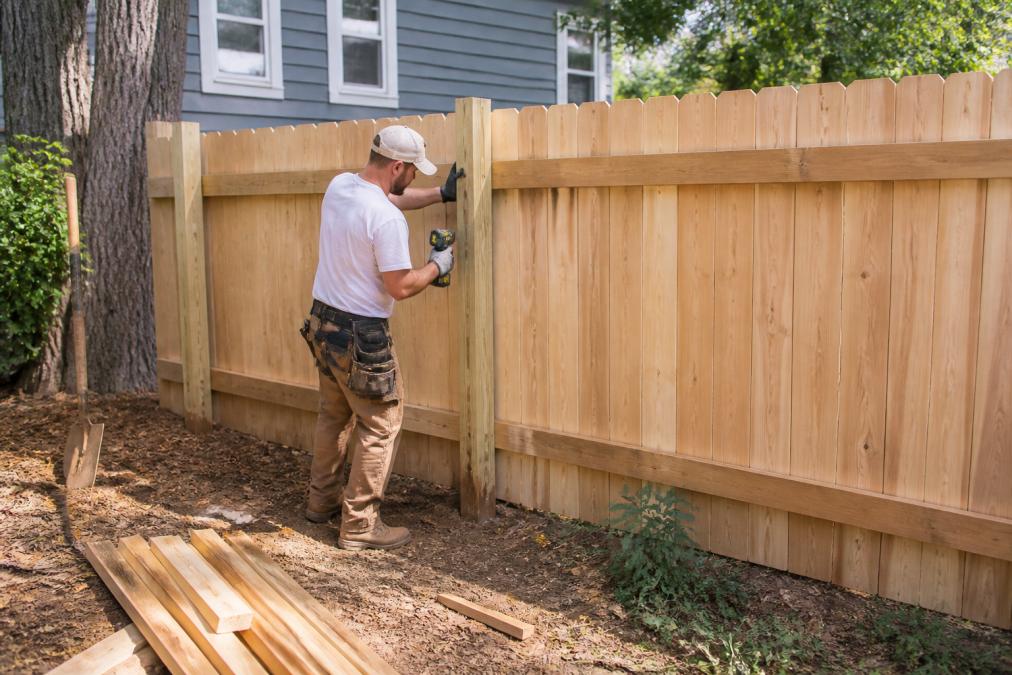
Table of Contents
- What Drives the Cost of Privacy Fence Installation
- Wood Privacy Fence Cost Per Foot: What to Expect
- Fence Installation Labor Rates: The Hidden Half of Your Bill
- Material Costs: Pressure-Treated Wood, Cedar, Vinyl, and Composite
- Permits, Surveys, and Site Prep: Costs Beyond the Fence
- Soil, Terrain, and HOA Compliance: Costs Most Quotes Miss
- How to Compare Privacy Fence Installation Quotes
- Frequently Asked Questions
Last Updated: September 21, 2026
What Drives the Cost of Privacy Fence Installation
The cost of privacy fence installation depends on four variables: material choice, linear footage, site conditions, and local labor rates. Fencementals, a veteran-operated contractor serving the Midlands, sees these four factors explain nearly every quote difference.
Consumer Financial Protection Bureau home improvement financing guidance
Wood Privacy Fence Cost Per Foot: What to Expect
Wood remains the most requested privacy material. A wood privacy fence cost per foot varies widely based on lumber grade, height, and whether you choose pressure-treated pine or cedar.
| Material | Relative Cost | Lifespan | Maintenance |
|---|---|---|---|
| Pressure-treated wood | Lowest | 10-15 years | Staining every 2-3 years |
| Cedar | Mid-range | 15-20 years | Sealing every 2-3 years |
| Vinyl | Higher upfront | 20-30 years | Rinse as needed |
| Composite | Highest upfront | 25-30 years | Minimal |
Fence Installation Labor Rates: The Hidden Half of Your Bill
Labor typically accounts for roughly half of a privacy fence project, and fence installation labor rates swing based on terrain, access, and crew experience. Comparing quotes on the per-foot number alone is a mistake: two contractors can quote the same fence and land thousands apart because one priced hand digging and the other assumed a machine could reach the line.
Wood Privacy Fence: Cost, Styles, Pros & Cons (Before You Buy)
Natural Beauty Fence
What drives labor up:
- Rocky or clay-heavy soil that slows post-hole digging
- Slopes requiring stepped or racked panels
- Tight access that rules out equipment
- Tree roots and old fence removal
- Concrete footings set below the frost line
Material Costs: Pressure-Treated Wood, Cedar, Vinyl, and Composite
Material is usually the largest line item on a privacy fence quote, scaling with linear footage, height, and style. Moving from 4 feet to 6 feet typically adds roughly 30 to 50 percent to the material bill because you buy taller pickets, an extra rail per bay, and longer posts.
| Material | Relative Material Cost | Typical Lifespan | Maintenance Cadence | Best Fit |
|---|---|---|---|---|
| Pressure-treated pine | Lowest | 10-15 years | Stain or seal every 2-3 years | Budget-driven projects, wet climates with good drainage |
| Cedar | Mid-range | 15-20 years | Seal every 2-3 years | Homeowners who want natural rot and insect resistance |
| Vinyl (PVC) | Higher upfront | 20-30 years | Rinse as needed | Low-maintenance yards, consistent color |
| Composite | Highest upfront | 25-30 years | Minimal | Long-horizon owners who want a painted look without repainting |
The ten-year total, not the sticker price
The difference between these options is not the per-foot number on the bid but the ten-year total: material, labor, and upkeep combined. A pressure-treated fence that costs less on day one can cost more by year ten once you add two or three rounds of staining, replaced pickets, and gate hardware swaps. A vinyl or composite fence front-loads the cost and then mostly sits there.
What actually drives the material line item
- Picket thickness and grade. A thicker picket resists warping and cupping, but it costs more per board and adds weight that can require heavier rails.
- Rail count. Two-rail construction is common at 4 feet; three-rail is standard at 6 feet and above. Each additional rail is more lumber and more fasteners.
- Post size and spacing. Standard post spacing is 8 feet on center, but windy or exposed sites often call for 6-foot spacing, which increases post count by roughly a third.
- Fasteners and hardware. Galvanized or stainless fasteners cost more than standard but prevent the rust streaks that show up on wood and vinyl within a few seasons.
- Gate hardware. A single walk gate needs hinges, a latch, and bracing; a double drive gate needs heavier framing and often a drop rod. Gates are the first part of any fence to sag, so the hardware spec matters.
Where the material decision gets made
Material choice is not just a budget decision, it is a climate and terrain decision. In areas with high humidity, freeze-thaw cycles, or salt exposure, the cheaper material often fails faster, erasing the upfront savings. In dry, stable climates, pressure-treated wood can last close to its rated lifespan with minimal fuss.
Permits, Surveys, and Site Prep: Costs Beyond the Fence
Site preparation and paperwork are where privacy fence budgets quietly break. These costs rarely appear in a per-foot estimate and vary more by jurisdiction than by material. Treat this as your pre-project checklist.
Permits and inspections
Most jurisdictions require a building permit for a privacy fence, with the fee tied to project valuation or linear footage rather than a flat rate. A common pattern is a base fee plus a per-linear-foot charge, landing in the low hundreds for a typical residential fence. Some jurisdictions also require a separate zoning or land-use review if the fence sits in a front yard, exceeds a height threshold, or sits on a corner lot with sight-line rules.
Property line surveys
A property line survey confirms where your fence can legally sit. Installing even a few inches onto a neighbor's land creates disputes that cost far more than the survey. Survey costs scale with lot size, terrain, and how much of the boundary needs locating; on rural or heavily wooded parcels they run higher because the surveyor must clear sight lines and locate monuments.
HOA and zoning compliance
Many associations cap fence height, restrict materials, and require architectural review before work starts. Submitting plans and waiting on approval takes time, and some HOAs charge review fees. Zoning codes add parallel rules: setback distances, height limits that often step down near the front yard, and sight-line requirements at corners.
Site preparation and excavation
Excavation, grading, and debris removal round out site prep. Removing an old fence, hauling brush, and leveling the line all take crew hours. On sloped lots, crews may need to step or rack panels, adding labor and sometimes requiring taller posts to maintain a level top line.
A pre-project cost checklist
- Confirm whether a building permit is required and what the fee is based on.
- Check whether post-hole and final inspections are required, and sequence them correctly.
- Verify whether a survey is needed, or whether an existing one is current.
- Request your HOA's architectural guidelines and review fee schedule in writing.
- Confirm zoning setbacks, height limits, and any corner sight-line rules.
- Ask whether a variance is needed and what the timeline looks like.
- Get a written scope for old fence removal, debris hauling, and grading.
- Ask how the crew will handle rock, roots, or slope on your specific lot.
U.S. Consumer Product Safety Commission pool barrier and fence safety guidance
Soil, Terrain, and HOA Compliance: Costs Most Quotes Miss
Soil and terrain are the variables competitors gloss over. Rocky ground, high water tables, and steep grades change how posts are set and panels framed.
How to Compare Privacy Fence Installation Quotes
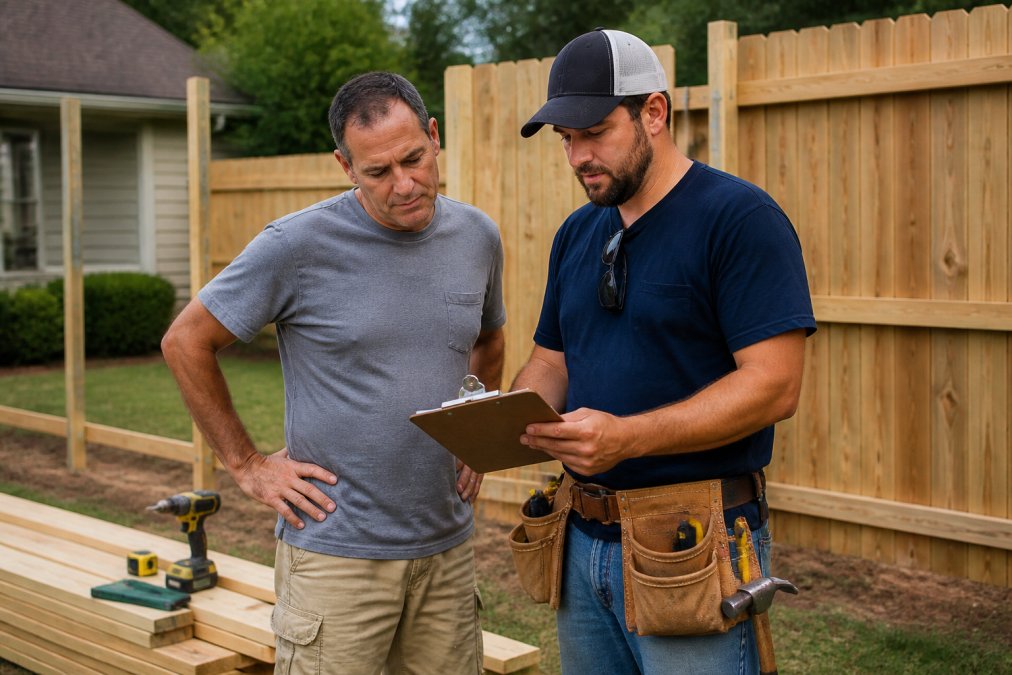
Comparing quotes means comparing scope, not just totals. A professional contractor who itemizes materials, labor, and site work is easier to trust than one quoting a single number.
Use this checklist when reviewing each bid:
- Is material type, height, and style stated clearly?
- Are post depth and concrete footings specified?
- Is gate hardware itemized?
- Are permits, surveys, and debris removal included or excluded?
- Is there a written timeline and payment schedule?
- Does the quote address your soil and terrain?
Frequently Asked Questions
How much does 200 feet of privacy fencing cost?
The total depends on material, height, and site conditions. A 200-foot wood privacy fence typically uses about 25 panels plus posts, rails, concrete, and hardware. Labor for that length often runs several days for a crew. Because soil, terrain, and gate count vary so much, request an itemized quote for your specific property rather than relying on a national average.
What is the average cost per linear foot for a privacy fence?
Privacy fencing is priced per linear foot because that unit captures panels, posts, rails, and labor in one number. The rate climbs with height, material grade, and how difficult the ground is to dig. A flat, open yard with easy access sits at the low end; a sloped lot with tree roots, rocky soil, or tight gate access pushes the per-foot rate higher. Ask each contractor to quote per linear foot so bids are comparable.
How do material choices like wood, vinyl, and chain link affect installation costs?
Material sets the baseline. Pressure-treated wood is the most affordable upfront but needs staining and repairs over time. Cedar costs more but resists rot and insects naturally. Vinyl carries the highest material price but needs almost no maintenance. Chain link is the cheapest option but offers no privacy. Factor in the post-installation care budget for each material, not just the sticker price.
How does property terrain impact the final cost of a privacy fence?
Sloped ground forces crews to step panels down in sections, add extra posts, or build retaining features, all of which add labor and materials. Rocky or clay-heavy soil slows post-hole digging and may require auger rental or hand digging. Trees and roots near the fence line can force layout changes. A site visit before the quote is the only way to price terrain accurately.
Are there additional costs beyond materials and labor?
Yes. Budget for building permits, a property line survey if the boundary is unclear, debris removal, and landscaping restoration where the crew disturbs grass or beds. HOA applications may carry fees or design requirements. Gate hardware, concrete footings, and post caps add up too. A transparent quote lists these line items instead of folding them into one vague number.
What should I look for in a professional fence installation quote?
Look for an itemized breakdown: linear feet, fence height, material type, post spacing, concrete footings, gate count and hardware, permit handling, and debris removal. Confirm whether the price includes staining or sealing. Ask about the warranty on workmanship and materials. A quote that lists every line item protects you from surprise charges once digging starts.