Wood vs Vinyl Fence Durability: A 2026 Comparison
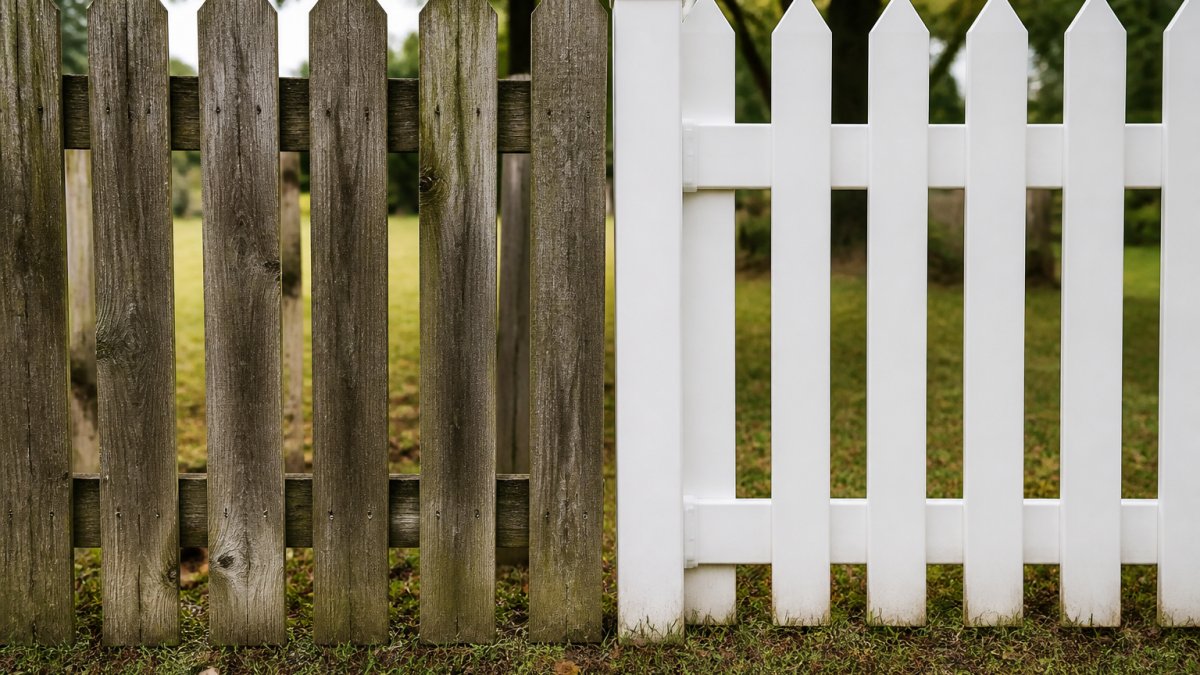
Table of Contents
- Wood vs Vinyl Fence Durability: Overview and Key Differences
- Wood Fence Lifespan: What to Expect
- Vinyl Fence Lifespan: Longevity and Performance
- Weather Resistance and Climate Impact
- Wood Fence Maintenance Requirements
- Vinyl Fence Maintenance and Upkeep
- Repair, Replacement, and Long-Term Value
- Which Material Is Right for Your Property
- Frequently Asked Questions
Last Updated: October 13, 2026
Wood vs Vinyl Fence Durability: Overview and Key Differences
Durability is often the deciding factor between wood and vinyl fencing. Both protect your property and boost curb appeal, but they age very differently: wood fence lifespan typically runs 15 to 20 years with proper maintenance, while vinyl fence durability often extends 25 to 30 years or more. The gap widens in wet or humid climates, where moisture is wood's primary enemy.
The choice between wood and vinyl fence durability isn't just about how long each lasts, it's about what happens during those years. Wood requires regular staining, sealing, and repairs; vinyl demands far less hands-on work but costs more upfront. At Fencementals, we help Midlands homeowners weigh these tradeoffs to fit your lifestyle, not just your initial budget.
The comparison comes down to three core differences: how each material handles weather and moisture, what maintenance involves, and what you'll spend over the fence's lifetime.
Wood Fence Lifespan: What to Expect
A well-maintained wood fence typically lasts 15 to 20 years before significant deterioration, a neglected one can fail in half that time. Lifespan depends on wood species, climate, and how consistently you protect it.
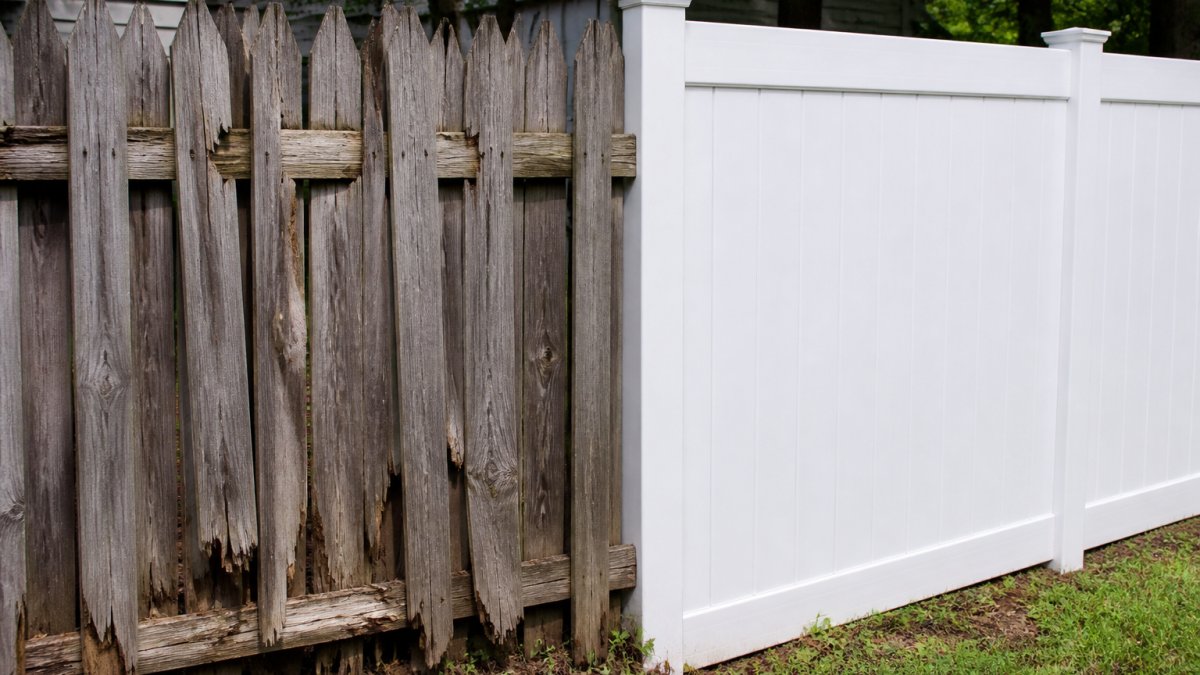
Pressure-treated wood, the residential standard, resists rot better than untreated lumber because it's infused with preservatives, but that treatment isn't permanent. Weather exposure breaks down the chemicals, leaving wood vulnerable to rot, insect damage, and warping. In dry climates, wood fences can push toward 20 years; in humid or wet regions, expect the lower end.
Posts fail first on most wood fences. They sit in the ground where moisture concentrates, and even proper drainage can't stop ground contact from accelerating decay. Rails and panels then develop splintering and weathering that turns unsightly before the wood loses structural integrity.
Vinyl Fence Lifespan: Longevity and Performance
Vinyl fencing typically lasts 25 to 50 years, depending on formulation and installation quality. Its chemistry is the reason: vinyl doesn't rot, splinter, or absorb water, so it never swells, warps, or feeds insects.
Not all vinyl is created equal. Higher-quality formulations include UV stabilizers that slow fading and brittleness, while lower-grade vinyl can crack after 10 to 15 years of intense UV exposure, especially in southern climates. The difference between a 25-year and a 50-year fence often comes down to resin quality and UV additives.
Vinyl's pest resistance is absolute: termites, carpenter ants, and other wood-boring insects can't damage it because there's nothing to eat, eliminating a whole category of damage wood owners must monitor and treat.
Weather Resistance and Climate Impact
Weather resistance is where the wood vs vinyl fence durability debate gets decided, and where most comparisons oversimplify. Wood and vinyl respond differently to each type of weather: a fence that thrives in a dry, high-UV climate can fail fast in a coastal or freeze-thaw environment, and vice versa.
Here's how each material behaves across the climate conditions that actually stress fences:
High-UV and intense sun. UV radiation breaks down lignin in wood, causing graying, checking, and splintering; graying is cosmetic at first, but unchecked it opens the grain to moisture intrusion. Vinyl has no lignin, but UV still matters: without adequate stabilizers, pigment fades and the polymer becomes brittle over years. Formulation quality, not just "vinyl vs. wood", drives real-world lifespan in sunny regions, and darker vinyl colors absorb more heat and UV, so they fade and stress sooner than lighter shades.
Humid and wet climates. Moisture is wood's primary enemy: it absorbs water, swells, and creates conditions for rot fungi and wood-boring insects, and even pressure-treated lumber eventually loses preservative protection at cut ends, fastener holes, and ground-contact points.
Freeze-thaw cycles. This pattern is brutal on both materials. Wood absorbs moisture that freezes and expands inside the cells, causing micro-cracks that widen each cycle and accelerate checking, splintering, and finish failure over several winters.
Coastal and salt-air environments. Salt spray accelerates corrosion of metal fasteners and hardware, often the actual failure point on both wood and vinyl fences. Stainless steel or hot-dip galvanized fasteners are the standard recommendation near the coast.
High-wind and storm exposure. Wind doesn't care what the fence is made of, it cares how the fence is built. Post depth, post spacing, footing size, rail attachment, and gate hardware determine whether a fence survives a storm.
| Factor | Wood | Vinyl |
|---|---|---|
| Moisture Resistance | Poor; absorbs water | Excellent; sheds water |
| Rot Risk | High, especially in wet climates | None |
| UV Resistance | Moderate; requires sealing | Good; depends on formulation |
| Temperature Expansion | Minimal | Moderate; requires installation gaps |
| Pest Resistance | Poor; vulnerable to insects | Excellent; insects can't damage it |
| Best Climate | Dry regions | Humid, wet, or coastal areas |
Wood Fence Maintenance Requirements
Maintaining a wood fence is a commitment: without regular care it deteriorates quickly, but proper maintenance extends its life.
The core tasks are staining or painting, sealing, and repairs. Most wood fences need staining or painting every 2 to 3 years, depending on climate and product. Stain protects wood while letting grain show; paint offers more UV protection but hides the natural look. Both need reapplication as they wear away.
Sealing is separate from staining: a water-resistant sealant repels moisture and extends the life of the stain or paint. Some products combine both; others require separate steps, either way, it's essential in wet climates.
Repairs are inevitable: splintered boards need sanding or replacement, loose fasteners need tightening, rot spots need cutting out and patching, and leaning or decaying posts may need reinforcement or replacement. These add up over the fence's lifetime.
Vinyl Fence Maintenance and Upkeep
Vinyl requires far less hands-on maintenance, its biggest advantage for busy homeowners. There's no staining, sealing, or painting, because vinyl doesn't absorb moisture or degrade from UV exposure the way wood does.
Routine vinyl maintenance means occasional cleaning: dirt, algae, and mildew accumulate on vinyl surfaces, especially in shaded or humid areas. A soft brush, mild soap, and water clean it effectively; a pressure washer on low settings works too, though high pressure can damage vinyl.
Vinyl repairs are straightforward but sometimes expensive. A cracked or broken panel usually requires full replacement rather than patching, and loose fasteners tighten easily, while posts rarely need replacement unless severely damaged. The simplicity is offset by the cost per panel, vinyl panels cost more than wood boards.
Vinyl's low-maintenance nature makes it popular with homeowners who don't want to spend weekends on fence upkeep. If you're busy or prefer to avoid ladder work and chemical treatments, vinyl's minimal maintenance is a major selling point.
Repair, Replacement, and Long-Term Value
Over a fence's lifetime, repair and replacement costs matter as much as the material cost, this is where the true cost of wood vs vinyl fence durability emerges.
Failure points aren't evenly distributed. On a typical wood fence, posts fail first: they sit in ground contact where moisture concentrates, and even pressure-treated posts eventually rot at the base or concrete line, compromising the rails and panels they support.
That difference drives very different repair economics.
Wood repairs. Wood is repairable at the piece level: a rotted picket can be swapped, a loose rail re-fastened, a splintered board sanded or replaced. The catch is frequency: staining every 2 to 3 years plus seasonal repairs for loose fasteners, split boards, and post rot accumulates labor and material costs steadily across its 15-to-20-year life.
Vinyl repairs. Vinyl repairs are less frequent but more expensive per event: a cracked panel typically requires full replacement, and vinyl panels cost more per unit than wood boards. Posts rarely need replacement unless severely damaged, and loose fasteners tighten easily.
The matching problem. This is the underappreciated lifecycle cost of vinyl ownership.
Replacement, not just repair. At some point repair stops being economical. For wood, that threshold often arrives when multiple posts have rotted and the structural grid is compromised, repairing post-by-post can cost a meaningful fraction of full replacement.
Warranty limitations matter too. Vinyl manufacturers commonly offer limited warranties covering manufacturing defects but excluding damage from improper installation, wind, impact, or normal color fade, while wood products rarely carry meaningful long-term warranties.
Putting it together. Long-term value depends on your timeline and tolerance for recurring work. If you plan to stay 20+ years, vinyl's lower maintenance and longer lifespan often deliver better value despite higher upfront costs, provided installation was done correctly and the manufacturer still supports the product line.
Which Material Is Right for Your Property
The best choice depends on your climate, maintenance tolerance, and long-term plans.
Choose wood if you live in a dry climate where moisture isn't a major concern, you enjoy outdoor maintenance or have time to hire professionals, and you prefer wood's natural look and warmth. Wood also costs less upfront, which matters if budget is tight. The Midlands' humid summers and occasional wet winters make wood a riskier choice here unless you're committed to consistent maintenance.
Choose vinyl if you live in a humid or wet climate, want minimal maintenance, plan to stay long-term and want durability over decades, or value vinyl's clean, modern aesthetic. Its resistance to rot, insects, and warping makes it ideal where weather and moisture are constants.
At Fencementals, we've installed both materials across the Midlands and understand how local humidity and seasonal weather affect each choice. We help homeowners pick the right material and ensure proper installation, which matters as much as material choice for long-term durability, correct spacing, proper post setting, and secure fasteners make the difference between a fence that lasts its expected lifespan and one that fails early.
Frequently Asked Questions
Does a vinyl fence last longer than a wood fence?
Yes, vinyl fences typically outlast wood fences significantly. A well-maintained wood fence lasts 15 to 20 years, while vinyl fences often last 25 to 50 years depending on climate and installation quality. In humid or wet climates, this gap widens because wood is more susceptible to moisture damage, rot, and insect infiltration. Vinyl's synthetic composition resists these issues naturally.
Which fence material needs less maintenance?
Vinyl requires far less maintenance than wood. Wood fences need regular staining, sealing, painting, and repairs to combat rot, warping, and splintering. Vinyl fences typically require only occasional cleaning with soap and water. No staining, sealing, or painting is necessary. This lower maintenance burden is one reason many homeowners choose vinyl despite its higher upfront cost.
Can wood or vinyl fences withstand severe weather better?
Vinyl fences handle severe weather more reliably. Vinyl resists UV damage, temperature swings, and moisture without degradation. Wood fences suffer from wind damage, cracking, and brittleness over time, especially in harsh climates. In areas with heavy rain, snow, or intense sun exposure, vinyl's durability advantage becomes more pronounced, though proper installation of both materials matters significantly.
What are the drawbacks of vinyl fencing?
Vinyl has higher upfront installation costs than wood and can crack or become brittle in very cold climates. Repairs often require replacing entire sections rather than spot fixes, which can be costly. Vinyl also offers fewer style customization options compared to wood, and some homeowners prefer the natural appearance of wood. Environmental concerns about plastic end-of-life disposal also factor into the decision for sustainability-focused homeowners.
Which is easier to repair: a wood fence or a vinyl fence?
Wood fences are easier to repair in the short term because damaged boards or sections can be individually replaced or patched. However, vinyl fence repairs are simpler in execution, just soap and water cleaning or section replacement, but the replacement cost is higher per section. Wood repairs are more frequent due to rot, splintering, and weather damage, making the total repair burden heavier over the fence's lifetime despite easier individual fixes.
The durability gap between wood and vinyl fence materials is real, but it's not the only factor in your decision. Consider your climate, maintenance preferences, and how long you plan to keep the fence. Get a free quote from Fencementals and let our team help you choose the right material and ensure professional installation that stands the test of time.